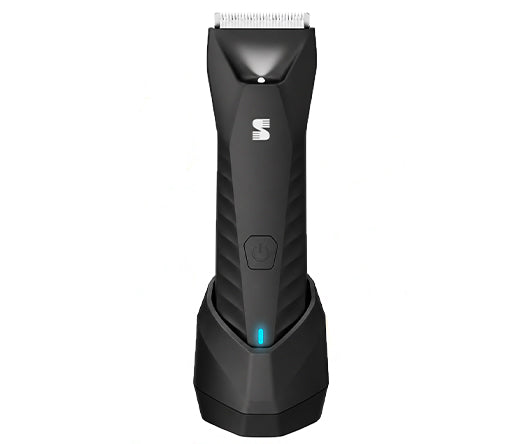
Choosing the right manscaping trimmer depends on what you want to achieve, where you plan to use it, and how much control you need. A trimmer is generally designed for maintaining body hair length, shaping areas that need precision, and keeping grooming routines manageable without focusing on a completely smooth finish. The best choice comes from matching the tool’s role with your grooming goals rather than looking for a single device that does everything.
Understanding where a manscaping trimmer works well, where it has limitations, and which mistakes to avoid can help you create a more practical grooming routine.
Best Use Cases for a Manscaping Trimmer
A manscaping trimmer is most useful when your main goal is controlled hair management. Instead of removing every trace of hair, trimming allows you to maintain a preferred length while keeping different areas neat and consistent.
Different body areas may require different approaches. For example, larger areas such as the chest, arms, legs, or abdomen often benefit from a tool that can cover more surface area efficiently. A trimmer can help reduce excess length while maintaining a natural appearance.
For smaller or more detailed areas, control becomes more important. Areas that require careful movement may benefit from a compact design, adjustable settings, or attachments that allow users to work gradually. The key consideration is not simply whether a tool can reach an area, but whether it provides enough control for that specific task.
A manscaping trimmer is also a practical option for people who prefer regular maintenance. Hair grows continuously, so many users are looking for a repeatable routine rather than a one-time solution. A tool that fits easily into regular grooming habits can be more useful than one designed only for occasional use.
Understanding the Limitations of a Trimmer
Although a manscaping trimmer is versatile, it is important to understand what it is designed to do. A trimmer primarily manages hair length, which means it may not always provide the same finish as tools designed specifically for shaving.
If your goal is a completely smooth result, a trimmer may not be the only tool you need. Trimming reduces hair while leaving some length behind, which can be useful for maintenance but may not match the result of a dedicated shaving approach.
Another consideration is precision. A general-purpose trimmer may work well for larger areas, but detailed grooming requires patience and careful handling. Moving too quickly or choosing an unsuitable length setting can lead to uneven results.
Comfort can also depend on individual factors such as hair type, body area, technique, and how often the tool is used. Features that improve control and convenience may be important for some users, while others may prioritize speed and simplicity.
Before choosing a tool, consider the main purpose:
| Grooming Goal | More Suitable Approach |
|---|---|
| Maintain a consistent body hair length | Use a trimmer with suitable length control |
| Reduce overall body hair volume | Choose a tool designed for broader coverage |
| Create detailed shaping | Prioritize control and precision |
| Achieve a very smooth finish | Consider tools designed specifically for shaving |
The right choice depends on your expected result, not simply the number of features available.
Common Mistakes When Choosing or Using a Manscaping Trimmer
Many grooming problems come from mismatching the tool with the task. Understanding common mistakes can make the selection process easier.
Choosing Based Only on Appearance
A product may look impressive, but appearance alone does not determine whether it fits your routine. Consider practical factors such as the areas you need to maintain, your preferred hair length, cleaning requirements, and how often you plan to use it.
A tool designed around your actual needs is usually more valuable than one with features you rarely use.
Using the Same Setting for Every Area
Different body regions may require different trimming approaches. A length setting that works well for one area may not provide the control needed for another.
Instead of starting with an aggressive setting, it is usually better to begin with a longer length and gradually adjust. This approach provides more flexibility and reduces the chance of removing more hair than intended.
Ignoring Maintenance
Regular cleaning and proper storage can influence how consistently a grooming tool performs over time. Hair buildup can affect cutting efficiency, while poor maintenance may reduce convenience during future use.
A simple maintenance routine often includes removing hair after use, following cleaning instructions, and keeping the tool stored in a dry location.
Treating One Tool as a Complete Solution
A common misunderstanding is expecting a single grooming tool to perform every possible task equally well. Trimming, shaping, and shaving are related but different functions.
A better approach is to understand the role of each tool category. A trimmer is often the starting point for managing length and maintaining a consistent appearance, while other tools may be better suited for specific finishing goals.
How to Choose the Right Manscaping Trimmer for Your Routine
Before making a decision, evaluate your grooming habits through a few practical questions.
1. Which areas will you use it on?
Think about whether you need a tool mainly for larger body areas, detailed grooming, or a combination of both. Coverage and control requirements can be different depending on the application.
2. What length do you want to maintain?
Some users prefer a shorter, cleaner appearance, while others want to keep more natural length. Your preferred result should guide the type of adjustment options you look for.
3. How much control do you need?
If you are working around areas that require careful movement, control may matter more than speed. If your routine focuses on larger areas, efficiency may become a higher priority.
4. How easy is it to maintain?
A grooming tool is only useful when it fits your routine. Consider whether cleaning and storage requirements are realistic for your habits.
When comparing options, it can help to review a dedicated collection of body grooming tools and consider how different designs match your intended use. For example, you can explore available options through a manscaping trimmer collection to better understand how this category is positioned for different grooming needs.
Practical Checklist Before Buying and Using a Trimmer
Use this checklist to evaluate whether a manscaping trimmer matches your needs:
-
Identify the main body areas you plan to groom.
-
Decide whether you need length maintenance or a smoother finish.
-
Choose a tool that matches your preferred level of control.
-
Start with a conservative length setting and adjust gradually.
-
Follow recommended cleaning and storage practices.
-
Consider whether the tool fits your regular grooming schedule.
This simple process can prevent many common mistakes and helps you focus on practical performance rather than unnecessary features.
Final Thoughts: Choose Based on Your Grooming Goal
A manscaping trimmer is a useful grooming category because it provides a balance between control, maintenance, and convenience. Its biggest advantage is helping users manage body hair length and appearance with a repeatable routine.
The most important decision is understanding what you actually need from the tool. If your priority is maintaining length, improving consistency, and simplifying regular grooming, a trimmer can be an effective choice. If your goal requires a different type of finish, recognizing the limitations early can help you select a more suitable approach.
Good grooming decisions come from matching the tool to the task. By considering your target areas, desired results, and maintenance preferences, you can build a routine that works better for your individual needs.